
Currently Empty: ₹0.00
June 18, 2026
0
seoexp
What Is SQL Server? A Plain-Language Guide for Indian Beginners
If you have just started exploring databases, chances are you have already come across the term SQL Server and wondered what it actually means, and how it is different from SQL itself. This confusion is common among IT students, freshers and even working professionals who are asked to learn database skills without a clear starting point.
What Is SQL Server, in Simple Terms
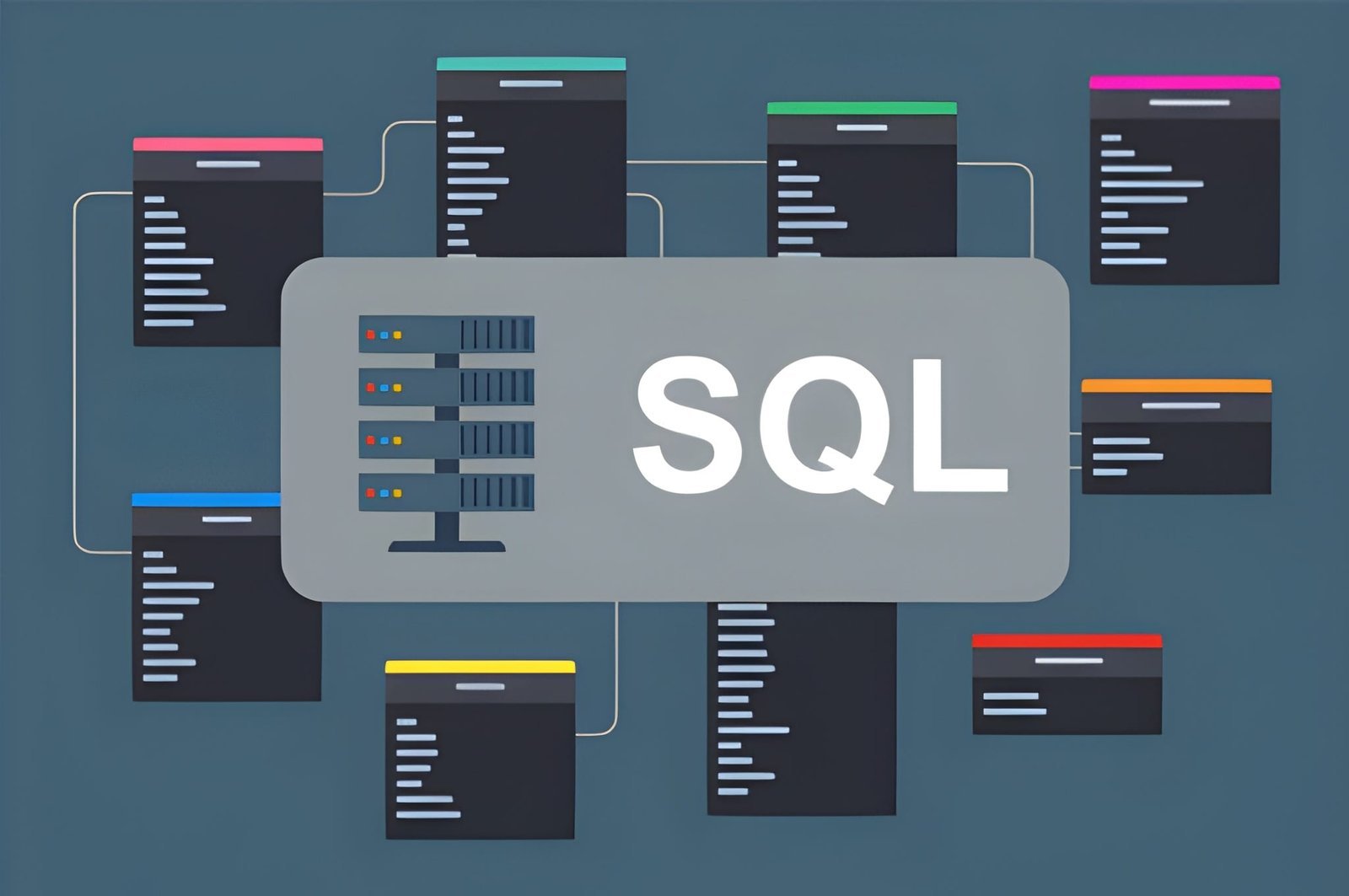
SQL Server is a database management system built by Microsoft. In simple terms, it is software that stores, organises and retrieves data for applications, websites and business systems. Think of it as a very large, structured filing system that can handle millions of records and still return the exact information you ask for within seconds. Businesses use SQL Server to store things like customer records, transaction history, inventory details and employee data. Applications you use every day, from banking portals to e commerce platforms, often rely on a database system like this running quietly in the background.How SQL Server Is Different From SQL Itself
This is one of the most common points of confusion for beginners. SQL, or structured query language, is the language used to write instructions for a database, such as retrieving records or updating a table. SQL Server is the actual software product from Microsoft that stores your data and understands those SQL instructions. In other words, SQL is the language, and SQL Server is one of several products that can run and manage that language. This is why many beginners start with a general sql server tutorial that teaches both the concepts together rather than treating them as separate topics.Why Indian Beginners and IT Students Are Learning SQL Server
SQL Server remains one of the most widely used database systems in Indian companies, particularly in banking, insurance, retail and IT services. Many enterprise systems built over the past two decades run on SQL Server, which means organisations continue to need people who can maintain, query and optimise these systems.Career Reasons to Learn SQL Server
For students, SQL Server knowledge is often a baseline expectation rather than a bonus skill, especially for roles involving data, backend development or system administration. It also pairs naturally with other in demand skills. Someone learning data analytics, business intelligence or Power BI dashboard creation will inevitably need to pull data out of a system like SQL Server at some point, which makes it a foundational rather than optional skill in most data related careers.Who Actually Uses SQL Server at Work
SQL Server is not used by just one type of professional. The table below outlines a few roles that interact with it regularly, and how their use of the tool differs.|
Role |
How They Use SQL Server | Typical Skill Level |
| Database administrator (DBA) | Manages installation, security, backups and performance |
Intermediate to advanced |
|
SQL developer |
Writes queries, stored procedures and functions for applications | Beginner to intermediate |
| Data analyst | Extracts and summarises data for reports and dashboards |
Beginner to intermediate |
|
Backend or software developer |
Connects applications to the database and manages data flow | Intermediate |
| Business intelligence professional | Pulls data into tools such as Power BI for visualisation |
Beginner to intermediate |
Core Concepts Every Beginner Should Know
Before diving into a full course, it helps to understand a few basic building blocks that almost every SQL Server tutorial or training program will cover.Databases, Tables and Queries
A database is a collection of related data, organised into tables. Each table has rows and columns, similar to a spreadsheet, where each row represents one record and each column represents a specific piece of information. A query is simply an instruction you write to ask the database for something, such as all customers from a particular city, or the total sales for a given month.SQL Server Management Studio (SSMS)
SQL Server Management Studio, usually called SSMS, is the main tool professionals use to interact with SQL Server. It provides a visual interface to write and run queries, manage tables, and monitor how the database is performing.Basic Data Types and Commands
Every column in a table has a data type, such as text, numbers or dates, which controls what kind of information it can store. Beginners typically start with a small set of commands used to create tables, insert data, retrieve data and update or delete records.SQL Server vs Other Database Systems
SQL Server is not the only database system available, and it helps to understand where it fits compared to other common options you might come across.|
Feature |
SQL Server | MySQL / PostgreSQL |
| Developed by | Microsoft |
Open source communities and companies |
|
Common use case |
Enterprise applications, Windows based systems | Web applications, startups, open source projects |
| Licensing | Commercial, with a free edition available |
Mostly free and open source |
|
Management tool |
SQL Server Management Studio (SSMS) | Varies by tool, such as pgAdmin or MySQL Workbench |
|
Common industries in India |
Banking, insurance, large enterprises |
Startups, product companies, web platforms |
How to Start Learning SQL Server as a Beginner
Once the basic concepts make sense, the next decision is how to actually learn the tool in a structured way.Free Resources vs a Structured SQL Server Course
Free tutorials and documentation are a reasonable way to get a first look at SQL Server, and many beginners start there. However, a structured SQL Server course tends to work better once you are ready to build real skills, since it usually follows a logical sequence, includes practice exercises, and covers topics such as joins, indexing and stored procedures that are easy to miss when learning informally.What a Good Microsoft SQL Server Training Should Cover
When evaluating a training program, look for coverage of core querying, database design basics, performance and indexing concepts, and at least an introduction to administration tasks such as backups and security. A good microsoft sql server training should also include hands on practice with real datasets, since reading about queries and actually writing them are very different experiences.SQL Server Career Paths in India: DBA, Developer and Analyst
SQL Server skills can lead in a few different directions, depending on your interests and strengths.Database Administrator (DBA) Path
A database administrator focuses on keeping the database running smoothly, secure and backed up correctly. This path suits people who enjoy systems level thinking and are comfortable with responsibility for uptime and data integrity.SQL Developer Path
SQL developers focus on writing efficient queries, stored procedures and functions that applications rely on. This path suits people who enjoy problem solving and logical thinking, and often overlaps with backend development roles.Final Thoughts
SQL Server is one of those foundational skills that quietly supports a large part of the technology systems Indian businesses run on. For beginners, the key is not rushing into advanced topics, but building a genuine understanding of how databases, tables and queries work together, then practising consistently with real data. Whether you are aiming to become a DBA, a developer or a data analyst, starting with a solid SQL Server course and staying consistent with hands on practice is a dependable way to build a skill that continues to matter in Indian IT careers.Frequently Asked Questions
What is SQL Server used for?
SQL Server is used to store, organise and manage data for applications and business systems. It is commonly used behind banking systems, retail platforms, insurance software and other enterprise applications that need to handle large volumes of structured data reliably.
Is SQL Server the same as SQL?
No. SQL is the language used to write instructions for a database, while SQL Server is a specific software product from Microsoft that stores data and processes those SQL instructions. Other systems, such as MySQL or PostgreSQL, also use SQL but are separate products.
Do I need a coding background to learn SQL Server?
Not necessarily. SQL Server is generally considered one of the more approachable technical skills for beginners, since basic queries follow a fairly readable, English like structure. Many students with no prior coding experience start directly with a beginner focused SQL Server course.
.
How long does it take to learn SQL Server as a beginner?
Most beginners can become comfortable with core querying within a few weeks of consistent practice. Becoming job ready, including topics such as joins, indexing and basic administration, typically takes a few months, depending on how much time you can dedicate each week.
Which is better for a career, DBA or SQL developer?
Neither path is inherently better. A DBA role suits people interested in systems, security and reliability, while a developer role suits people who enjoy writing logic and working closely with applications. The right choice depends on your interests and the type of daily work you want to do.
Is SQL Server still relevant given the rise of cloud and big data tools?
Yes. SQL Server remains widely used in Indian enterprises, and Microsoft continues to update it with cloud integration and performance improvements. It is also a strong foundation for learning newer data platforms, since core SQL concepts carry over into most modern data tools.
Related Posts


Types of Data Analytics Explained with Practical Examples
March 13, 2026
0
Geeks Analytics

Entry-Level Data Analytics Jobs: Roles, Skills & Preparation Strategy
March 12, 2026
0
Geeks Analytics
Related Posts

How to Create Your First Power BI Dashboard: Step-by-Step for Indians
June 9, 2026
0
seoexp
Types of Data Analytics Explained with Practical Examples
March 13, 2026
0
Geeks Analytics
Entry-Level Data Analytics Jobs: Roles, Skills & Preparation Strategy
March 12, 2026
0
Geeks Analytics